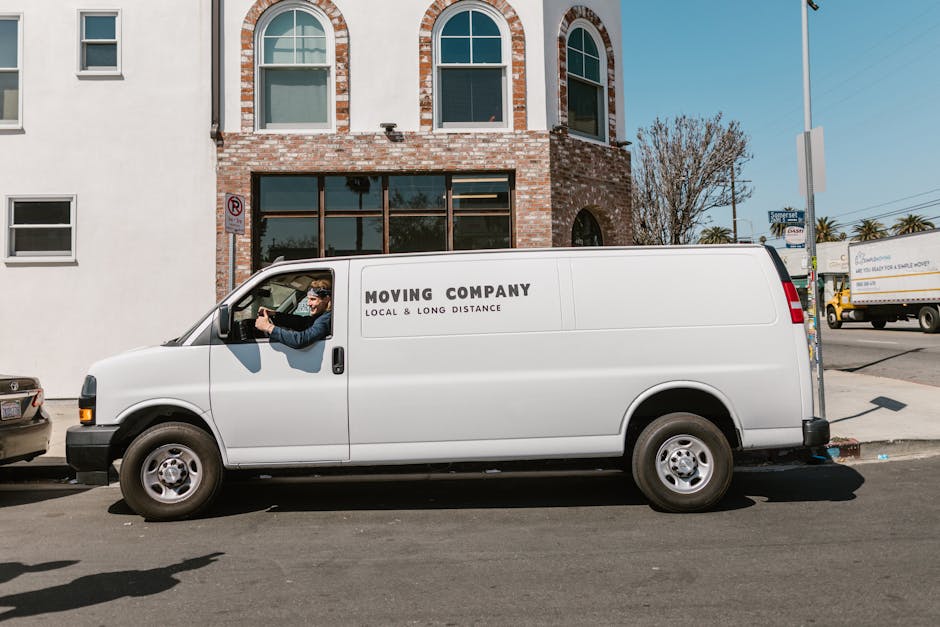
Man With Van North Woolwich for local moves, furniture transport and practical removals

Our man with van service in North Woolwich is built for everyday moving tasks that need a sensible vehicle, careful loading and straightforward planning. It suits single items, small property moves, student belongings, collected purchases and other transport jobs where a full removals operation would be unnecessary. The focus is on safe handling, tidy vehicle space and an organised journey so your goods arrive in the right order and condition. We keep the service flexible enough for domestic and commercial work, while staying clear about what is and is not included.
Typical work can include lifting, carrying, loading, securing and unloading items, along with transport between addresses or collection points. That may sound simple, but the difference is often in the details: protecting fragile pieces, separating items that should not move together, and making sure awkward shapes are positioned so they travel well. If you need a measured approach rather than a rushed dash, this is a practical way to move furniture and possessions without overcomplicating the job. Plan the trip once, move it once is often the right principle.
The quickest way to get started is to send a clear outline of what needs moving and where it needs to go. A short inventory, access notes and any time constraints help shape a sensible response. If the load includes heavy or delicate pieces, mention that early so the move can be considered properly. When you are ready, ask for a quotation and share the details that matter most.
Everyday removals, collections and local transport
Many customers use a man with van service when the job is too much for a car but not enough for a large removal crew. It can be an efficient option for furniture pick-ups, marketplace collections, boxes, household items and the transfer of smaller loads between homes, storage or workplaces. The approach is usually to keep the process neat and direct: load carefully, secure the cargo, travel by the most suitable route and place items where they are needed at the other end. That keeps the service practical rather than overdesigned.
Within this general work, the useful decisions are often about the size and shape of the load, the level of handling required and the access at each address. Narrow hallways, upper-floor flats, awkward parking and pieces that need dismantling or reassembly can all affect the time and method needed. If you are comparing options, it helps to think about whether you need only transport or a fuller moving hand. For a more general view of what the business covers, see the removal services page, which sets out broader moving support in one place.
When the move is straightforward, a simple van-based arrangement may be enough. When it includes mixed furniture, boxes and fragile household items, the packing order matters more. Either way, the service should be organised around what actually needs to travel, not around assumptions. If you are still deciding how much help is sensible, make a note of the items first and then think about the level of lifting, protection and route planning they require. That usually leads to a better quotation and a smoother day.
House moving support for smaller domestic jobs

Domestic moves are often the core use case for a man and van arrangement, especially when the household is small, the furniture list is limited or the move is happening in stages. It may involve beds, tables, chairs, white goods, suitcases, boxed possessions and a handful of larger pieces that need direct handling. The service can suit tenants, homeowners and anyone between properties who wants transport that feels manageable rather than excessive. The aim is a move that is well ordered and straightforward.
For house moves, the benefit of the format is its adaptability. A smaller van-based move can be planned around a single pickup, a multiple-stop transfer or a delivery to storage, depending on what the customer needs. The important point is that the volume should match the vehicle and the labour involved. If the load is mostly furniture, think about dimensions, weight and whether any items need protective wrapping or partial dismantling. For a closer look at home-moving support, the home moves page gives the broader domestic moving picture.
It is also worth considering access before the move begins. Upper floors, long walks from parking spaces, lift use and timed entry to buildings can all influence how the job is approached. A well-prepared domestic move is not simply about turning up with a van; it is about understanding the route from room to vehicle and then from vehicle to new room. If that route is planned sensibly, the move feels calmer and generally more controllable.
Furniture pick-ups and single-item transport
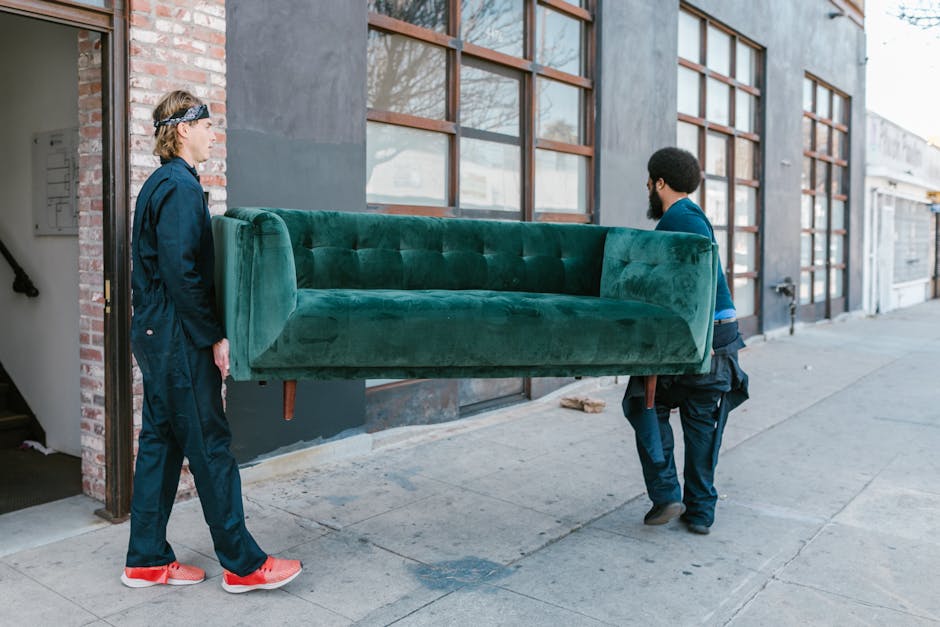
Not every booking is a full move. Some customers only need one item collected, delivered or taken to a different address. That may be a sofa from a seller, a wardrobe from storage, a bed base from a shop or a table that has to travel carefully because of its finish or shape. A van-based collection service is useful here because it provides the space and handling needed without pushing the job into a larger or more expensive format than necessary. The work is still about good loading and careful placement.
Single-item transport often comes down to practical compatibility. A narrow staircase, an awkward lift, an oversized headboard or a fragile surface can all change how the item should be handled. If dismantling is possible, that may make the job easier; if it is not, the carrying method needs to suit the piece. Some items can be stacked safely, while others should be isolated from pressure and movement. See the furniture pick-up page if your job is focused on a collected item rather than a broader household move.
For customers, this kind of work is often best approached by thinking in terms of dimensions and condition rather than simply item count. A single large wardrobe can take more planning than several small boxes, and a delicate table top may need more space than expected. If you are booking a collection, it helps to say whether the item is already accessible, whether there are stairs, and whether any assistance is required at either end. That makes the transport cleaner and reduces avoidable handling.
Office removals and commercial moves

Commercial work for a man with van team often centres on office removals, small business relocations and transport for equipment, files or furniture. These jobs are usually less about bulk household possessions and more about sequence, timing and sensible handling of working items. Desks, chairs, cabinets, boxed paperwork and light equipment all need to move in a way that keeps the business organised. The service is useful when a company wants an efficient move without planning for a large-scale commercial operation.
Office moves can involve more than simply carrying items out of one place and into another. There may be a need to protect screens, separate personal items from shared equipment, keep important documents together and make sure furniture is unloaded in the correct order. If access is restricted, the vehicle plan may need to be adjusted to suit building rules or loading bays. For more detail on this line of work, the office removals page is the most relevant destination, while the commercial moves page covers a wider range of business transport needs.
When a commercial customer books this kind of service, the most helpful information is usually the list of items, any fragile or high-value equipment and the moving sequence. If certain desks must arrive before storage units or if a room needs to be cleared in phases, that should be noted in advance. A business move works best when the transport is matched to operational needs rather than treated as a generic delivery. That gives the move structure and helps keep interruption to a minimum.
Packing, unpacking and preparing items for transit
Packing support can make a noticeable difference to a man and van job, especially when the load includes mixed household contents, breakables or awkwardly shaped pieces. It may involve wrapping surfaces, grouping similar items, boxing loose belongings and arranging things so they stay stable in the vehicle. Some customers only want help at the most vulnerable points of the move, while others need more involvement from start to finish. The advantage of proper packing is not decoration; it is that items are easier to stack, protect and find again later.
Unpacking is the other side of the same process. Once goods reach the destination, it can be useful to have help taking them out in a sensible order and placing them where they belong. That matters most where the move is time-sensitive, the new space is still being arranged, or the customer wants a quicker return to normal. If you want a more detailed explanation of these tasks, the packing and unpacking services page sets out the practical support available around moving day.
A good approach is to treat packing as part of the transport plan, not as an optional extra added at the end. Items packed with care tend to load more efficiently, and grouped belongings are easier to direct to the right room or area later. Where possible, keep loose fittings with the item they belong to, and separate anything that should not be stacked under pressure. That kind of preparation helps the whole move feel more controlled.
Vehicle choice, loading method and route planning
The phrase man with van covers more than the size of the vehicle. It also suggests a style of work that can be adjusted to the load, the road and the property layout. In some cases, a smaller van is enough for a compact move or collection; in others, the job needs more space or a different loading arrangement because of furniture size or the number of items. The aim is not to overstate what the vehicle can do, but to choose an approach that fits the task in hand.
Loading method matters because items are safest when they are placed in a considered order. Heavy pieces generally need a stable base, lighter boxes can fill gaps, and delicate surfaces should not be left exposed to sliding movement. Route planning matters too, especially when the destination involves parking limits, low bridges, restricted access or time-sensitive arrival points. For readers comparing vehicle-based removals, the moving van page and the moving truck page can help indicate the broader transport options offered by the business.
Different loads create different priorities. A set of boxes may need stacking discipline, while a bed frame may need disassembly before it will travel efficiently. A washing machine may need a different positioning strategy from a lamp or mirror. Good planning reduces the chance of avoidable strain, wasted trips or poor use of space. In practical terms, that means the move is designed around the cargo rather than the cargo being forced to fit a generic plan.
About North Woolwich
North Woolwich sits on the north bank of the River Thames in the London Borough of Newham, facing the area around Woolwich on the opposite side of the river. Its position gives it a distinctive edge-of-the-city character, shaped by the river, transport links and long-running changes in east London’s docks and industry. The area is closely associated with the history of riverside movement and crossing points, and it retains a landscape where water, infrastructure and residential streets sit close together. That mix gives the district a practical geography that is easy to read on a map but still layered in history. Over time, rail, road and ferry links have all influenced how the locality connects with the wider city. The Royal Docks and nearby redevelopment have also helped reshape the surrounding environment, introducing newer buildings and public spaces alongside older traces of working riverfront activity. North Woolwich Garden Villas and related historic housing give a sense of the area’s earlier domestic life, while the wider riverside setting reflects the growth of London’s eastward expansion. Although compact, the place has a strong identity tied to its location by the Thames, its transport story and the continuing contrast between open water, urban development and the remaining reminders of past industry.
House removals and wider moving support

Some moves need a broader approach than a simple item collection. House removals can include multiple rooms of furniture, boxed belongings, white goods and the sequence needed to clear one address and settle into another. A man and van arrangement can still suit these jobs when the volume is moderate or when the move is being carried out in stages. The service is then less about a large fleet and more about well-timed, capable handling of what actually needs to go.
Where a move is more involved, the support may also need to cover dismantling, protected transport and reassembly of certain pieces. That is especially useful for larger beds, wardrobes and tables, or for moves where the destination space is not fully ready. If you want to compare this with broader home-moving support, the house removals page and the house movers page provide relevant service descriptions, while the man and van removals page reflects the lighter-format moving approach.
For the customer, the main decision is whether the move should be handled as a compact transport job or as a fuller household relocation. That depends on volume, access, timing and the amount of help needed with lifting and protection. Both options can be sensible, but they work best when the scope is clear from the outset. If the load list is reasonably precise, the move can be planned with far fewer surprises.
Quotation details, access notes and moving-day preparation
Good quotations depend on ordinary facts rather than guesswork. A list of items, the start and end locations, floor levels, parking conditions, any lift use and whether the move includes loading only or loading and unloading all help shape the work. If you are asking about a van-based move, it is also useful to mention whether any item is especially heavy, fragile or difficult to carry. Those details help set expectations and keep the response realistic. Clear information usually leads to a clearer quotation.
There are a few practical steps that can make the day smoother. Keep similar items together where possible, reserve enough time for access, and make sure anything that needs extra protection is identified before the job begins. If items are being collected from more than one place, the sequence should be stated plainly. For pricing-related guidance, the pricing and quotes page is the best place to look, and if you want to move ahead you can use the contact us page to request a quotation.
Two useful habits are worth keeping in mind: first, a brief written inventory is usually better than a vague description; second, photographs can help with awkward pieces, although they should support the summary rather than replace it. Those points are enough for most enquiries. After that, the next step is simply to say what needs moving, when it needs to happen and where it needs to go. Simple information, given early, saves time later.
Safety, handling and service options

A dependable man with van service should treat safety as part of the job, not as an extra afterthought. That includes sensible lifting, stable loading, careful use of space in the vehicle and attention to the route between the property and the van. If items are awkward or unusually shaped, the movement method should reflect that. When a job involves furniture, appliances or fragile possessions, the emphasis should be on controlled handling rather than speed for its own sake.
There are other useful service pages if you want to understand the wider offer around removals and transport. The removal company page gives a broader business overview, while the removal companies page is useful if you are comparing different types of provider in the removals market. For customers interested in the structure of the wider service range, the removals page and the man with van page are both relevant starting points. They help show where a smaller moving job fits within the overall picture.
When deciding whether this is the right format, think about volume, timing and handling complexity. If the job mainly needs transport and careful loading, a van-based service is often a practical answer. If it needs broader coordination, multiple helpers or a more extensive moving plan, that should be made clear before booking. The useful thing about this service is its adaptability, provided the task has been described honestly and in enough detail to match the right approach to the move.