Bulky-item pickups after a North Woolwich move: options
Posted on 10/06/2026
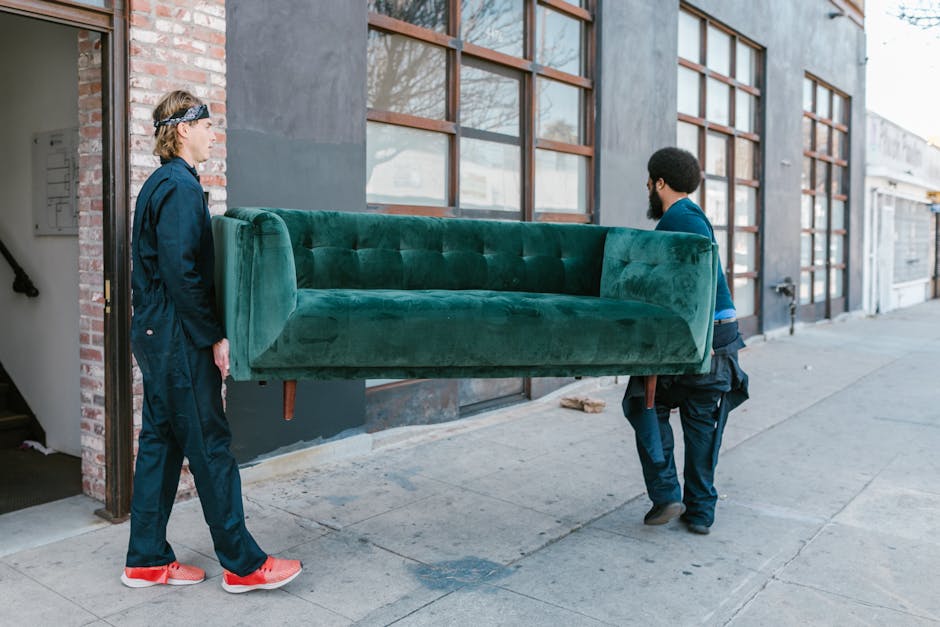
Moving house is tiring enough without staring at a hallway full of awkward leftovers the next morning. A broken wardrobe that somehow survived three flats, a sagging sofa, a mattress that no longer fits the new place, or a freezer you simply do not want to wrestle with again - bulky-item pickups after a North Woolwich move: options become very real, very quickly. The good news is that you have choices. Some are fast, some are cheaper, and some are better for heavier or more awkward items. The trick is knowing which route suits the item, the timing, and the access at your new or old address.
This guide walks through the practical options, the trade-offs, the safety points people often miss, and the steps that make the whole thing less of a faff. If you are trying to clear a flat, a house, or a storage room after a move in North Woolwich, you will find a straightforward plan here.
Why Bulky-item pickups after a North Woolwich move: options Matters
Bulky items are not just "big things". They are the awkward, heavy, often inconvenient objects that can block a move from feeling finished. A sofa in a narrow stairwell. A bed base that will not fit into the lift. A dining table that looked manageable until you tried to turn it in a tight landing. In North Woolwich, where access can be tricky and parking is not always generous, the way you handle these items matters just as much as the move itself.
Truth be told, a move rarely ends when the last box goes in. There is usually a second round: what to do with the items that are not coming, the ones that are damaged, or the pieces you meant to sell but ran out of time to list. That is where the right bulky-item pickup option saves time, reduces stress, and helps you avoid leaving clutter behind.
It also matters because some bulky items carry safety risks. A freezer, for example, may be heavy even when empty; a piano is a different beast altogether, and the wrong lift can go badly in seconds. For those situations, it is often wiser to step back and think about professional help, especially if you have already had a long moving day. If you want a deeper look at lifting and handling techniques, the article on the art and science of kinetic lifting is a useful companion read.
How Bulky-item pickups after a North Woolwich move: options Works
At a practical level, bulky-item removal after a move usually falls into one of four routes: a pre-booked collection service, a same-day or short-notice removal van, a take-to-reuse option, or storage while you decide. Each has its place, and the best choice depends on condition, urgency, and whether the item is still worth keeping or reselling.
Here is how it tends to play out in real life. You move out, then notice the old sofa will not fit the new lounge, or you discover that the bed frame is damaged and not worth reassembling. Rather than leave it in a corridor, you arrange pickup as a separate task. That pickup may be bundled with your move, or handled after the fact. In busier parts of the area, bundling can be a relief because it avoids a second round of loading and parking headaches.
If the item is still usable, you may decide to keep it in storage for a while. That is especially common with furniture you are not ready to part with, or appliances you may reinstall later. For example, a dormant freezer needs a bit of thought before storage; there are practical steps to avoid mould, odour, or damage, and you can find helpful guidance in ingenious ways to store a dormant freezer.
When the item is no longer useful, pickup becomes a disposal or recycling decision. In UK practice, that means thinking about what can be reused, what can be recycled, and what needs responsible disposal. Not glamorous, obviously, but it is the cleanest way to finish a move without creating a mess for yourself or the building.
Key Benefits and Practical Advantages
The best bulky-item pickup option is not always the cheapest on paper. Often, it is the one that saves time, reduces the number of touchpoints, and prevents damage. A few strong benefits stand out.
- Less physical strain: You avoid dragging heavy items through hallways, stairs, and corners after an exhausting move.
- Fewer access problems: A properly planned pickup handles narrow streets, stairs, and parking realities more smoothly.
- Cleaner handover: If you are leaving a property, clearing bulky items helps with final checks and a tidier exit.
- Better decision-making: Once the pressure eases, you can sort what to keep, sell, donate, store, or dispose of.
- Lower damage risk: Large items are easier to scuff walls with than people like to admit. Moving them once, properly, is usually smarter.
There is also a quiet mental benefit. A room can look almost done, then one dead sofa and a lopsided mattress in the corner make it feel unfinished. Clear those, and suddenly the place breathes again. Small thing, big difference.
If you are weighing whether a removal van is enough for the job, it may help to look at the wider moving picture too. The pages on removal van support and furniture removals in North Woolwich can help frame the choice when your bulky items are part of a bigger move.
Who This Is For and When It Makes Sense
This topic is for anyone who has just moved, is about to move, or is halfway through the unpacking stage and realises a few large items are not coming with them. It is especially useful if you live in a flat, a maisonette, or a property with awkward access, because bulky-item removal often becomes a logistics problem more than a lifting problem.
You may need this if you are:
- downsizing and cannot take every item to the next property;
- replacing old furniture after a house move;
- clearing inherited furniture after a family move or bereavement;
- moving from a rental and need to leave the place empty;
- dealing with a last-minute item that was too large for the original plan;
- trying to avoid leaving a load of stuff on the pavement, which is never a good look.
Students and flat-sharers often need a smaller-scale version of the same thing. One day it is a sofa bed that will not fold properly, the next it is a desk that looked easy until you tried getting it round a corner. If that sounds familiar, the page on student removals in North Woolwich may be a better fit for the overall move, with bulky items folded into a simpler plan.
It also makes sense when time is short. If you are facing a same-day deadline or a sudden move-out, there is very little appetite for complicated disposal plans. In those moments, speed matters. One sensible route is to look at same-day removals in North Woolwich, especially when bulky items need to go now rather than later.
Step-by-Step Guidance
Here is a practical way to handle bulky-item pickups after a North Woolwich move without overcomplicating it.
- List every bulky item. Write down what you have, its size, and whether it is going, staying, selling, or going into storage. Don't rely on memory; moving day brains are famously unreliable.
- Check condition honestly. If an item is broken, stained, water-damaged, or missing parts, say so. That helps you decide whether it is worth moving or better to dispose of.
- Measure access. Measure doorways, stair turns, lifts, and any outside restrictions. A sofa that clears the room may still fail at the front door. Happens all the time.
- Decide on the route. Choose between pickup, storage, rehoming, or disposal. Keep the decision simple: keep, move, store, or remove.
- Separate what can be dismantled. Beds, wardrobes, and some tables become easier once disassembled. If in doubt, check whether the item was designed to come apart.
- Protect floors and walls. Use blankets, wrap, or corner protection before any item is moved. A few minutes here can save a headache later.
- Book the right help. If the object is heavy, awkward, or fragile, pick a service that is suitable. A piano is not a sofa, and a freezer is not a coffee table.
- Confirm timing. Make sure the pickup or move fits around keys, lift access, loading restrictions, and the time you need to hand back the property.
- Keep records. If disposal, storage, or collection matters to a landlord, agent, or house move checklist, note down what was removed and when.
One small but useful detail: if a piece of furniture is technically movable but practically awful to handle, it may be worth using a specialist service instead of persuading yourself you and one friend can "probably manage it". Usually, that sentence ends with a squeak, a wobble, and someone saying, "careful now."
Expert Tips for Better Results
Most problems with bulky-item pickups are avoidable. A little forethought goes a long way.
Tip one: do not leave bulky decisions until the last evening. Once the van is booked and boxes are taped, your options narrow fast. The better habit is to identify the big items a few days earlier, ideally while the rest of the home is still organised enough to think clearly.
Tip two: match the item to the method. Mattresses and bed frames are one thing; pianos and American-style fridge freezers are another. If the item is unusually heavy, delicate, or valuable, the safer route is to use a specialist. For example, a piano really does deserve proper handling, and there is a reason people read piano moving 101 before trying anything ambitious.
Tip three: think about sequencing. If an item is going into storage first and not straight out of the property, make sure it is wrapped, labelled, and easy to identify later. This is particularly useful for sofas or spare furniture; the article on sofa storage success is handy if that is your route.
Tip four: keep your lifting plan boring and safe. Straight backs, planned turns, and enough people for the load. There is no medal for improvising with a wardrobe on a stair landing. If you want a refresher on handling heavier objects more safely, solo lifting tips for heavy objects gives a good sense of the risks involved even when you are tempted to "just do it quickly".
Tip five: use the moving process to declutter properly. Sometimes the best bulky-item pickup is the one that leaves your new place lighter. A move is the perfect chance to decide what genuinely earns its place. There is a clear, practical approach in this moving-house decluttering strategy.
Common Mistakes to Avoid
Some errors crop up again and again, and they are usually avoidable.
- Guessing the size: People often assume a bulky item will fit through a door because it "looks about right". It usually does not.
- Underestimating weight: A bulky item can be light and awkward, or compact and brutal. The second type catches people out.
- Leaving it until the last hour: Last-minute pickups are possible, but they are much more stressful when access is limited.
- Forgetting disposal rules: Items should not be dumped outside a property and hoped away. That can cause complaints and extra hassle.
- Not checking storage conditions: Freezers, mattresses, and soft furnishings need specific care if they are being held temporarily.
- Assuming all removal help is the same: It really is not. Some jobs are fine for a van with a couple of movers; others need a specialist team.
And a small one that sounds obvious until it happens: forgetting the item is still connected to something. We have all seen it - a bed headboard still attached, a TV cable pulled tight, or a freezer that has not been fully cleared and cleaned. The article on transporting your bed and mattress safely is worth a look if your bulky item list includes bedroom furniture.
Tools, Resources and Recommendations
You do not need a warehouse of kit to make bulky-item pickups easier, but a few practical tools help a lot.
- Measuring tape: Useful for checking doors, hallways, lift interiors, and item dimensions.
- Furniture blankets and wrapping: Helps protect upholstery, timber, and painted walls during movement.
- Trolley or sack truck: Handy for sturdier items, though not for everything. Use judgment here.
- Strong tape and labels: Great for parts, screws, and dismantled pieces.
- Basic cleaning supplies: Especially if the item is going into storage or being handed over after a move.
There is also value in thinking beyond the item itself. If the bulky object is staying in the property temporarily, you may need storage support rather than immediate pickup. That is where a flexible storage option can be the right bridge between moving out and deciding what to do next. If that sounds like your situation, the page on storage in North Woolwich is the obvious place to start.
If you are still collecting packing supplies, do not ignore the basics. The article on packing and boxes in North Woolwich sits nicely alongside bulky-item planning, because the more organised the small stuff is, the easier the big-item decisions become.
Law, Compliance, Standards and Best Practice
You do not need to become a legal expert to handle a bulky-item pickup properly, but there are a few common-sense standards worth respecting. In the UK, you should avoid fly-tipping, keep shared areas clear, and make sure anything left for collection is handled through a legitimate arrangement. If you are in a rented property or a managed building, it is also wise to check whether there are local access rules, timed loading bays, or building management expectations.
Best practice usually means this: plan the pickup, keep pathways clear, protect common areas, and use suitable equipment for the item. If the object contains materials that need careful handling, or if it is simply too large for a standard pickup, choose a professional option rather than taking a risk. That is especially true where safety or building damage could become an issue.
Good movers also work in line with health and safety principles. That includes sensible lifting methods, proper team size, and not pretending a two-person lift is a one-person job because everyone is in a hurry. The page on health and safety policy is a useful reminder that safe handling is not just a nice idea; it is part of how responsible moving work should be done.
If insurance is relevant to the item's value or fragility, make sure you understand what is covered before the pickup happens. That is especially helpful for awkward, expensive, or sentimental pieces. You can also review insurance and safety for a clearer sense of the protection angle.
Options, Methods, or Comparison Table
There is no single "best" bulky-item pickup method. The right choice depends on urgency, item type, and whether you are moving, clearing, storing, or recycling. Here is a simple comparison.
| Option | Best for | Pros | Watch out for |
|---|---|---|---|
| Bundled with your move | Furniture and appliances already leaving with the rest of the household | Fewer bookings, simpler coordination, easier on the day | Can add time to the main move if items are awkward |
| Separate pickup after moving | Items you forgot, changed your mind about, or could not fit | Flexible timing, less pressure on moving day | May require a second visit and extra planning |
| Short-term storage first | Furniture you may keep, sell, or reuse later | Buys you decision time, keeps items protected | Needs proper wrapping and a storage plan |
| Specialist removal | Pianos, large wardrobes, heavy freezers, fragile items | Safer handling, better equipment, more confidence | May cost more than a basic van pickup |
| Declutter and dispose | Damaged, outdated, or surplus items | Frees space fast, simplifies the new home | Needs a proper disposal route and a bit of sorting |
If the issue is not just one item but the whole move experience, it can help to zoom out and look at the fuller service picture. A general overview like services overview helps you see how bulky-item pickups fit alongside house moves, flats, and one-off removal jobs.
And if you are comparing moving approaches, the broader guidance in removals in North Woolwich can be a useful context piece. Not every job needs the same vehicle or the same crew, and that is often where people make the wrong call.
Case Study or Real-World Example
A typical North Woolwich scenario goes like this. A couple moves from a two-bedroom flat into a smaller place nearer the station. Their old sofa does not fit the new lounge, the bed frame is too bulky for storage, and a freezer from the utility room has to go somewhere. At first, they consider leaving the items until after the move. But then they realise that doing so would mean another round of lifting, parking, and coordination at the old address.
Instead, they split the problem. The sofa is assessed first: it is still usable, so it goes into temporary storage while they decide whether to sell it. The bed frame is dismantled and moved as part of the main relocation. The freezer is emptied, cleaned, and handled as a separate item because it needs more care. The result? Less pressure on moving day, fewer repeated trips, and no awkward last-minute scramble outside the property.
That is the pattern you see again and again. A little extra planning early on usually saves a much bigger headache later. There is a nice practical lesson in that, even if nobody enjoys hearing it when they are already tired and surrounded by tape.
Practical Checklist
Use this checklist before arranging bulky-item pickups after your North Woolwich move.
- List every large item that needs attention.
- Measure doors, stair turns, hallways, and lift access.
- Decide whether each item is staying, going, storing, or being removed.
- Check whether any item can be dismantled safely.
- Clean appliances and empty drawers, shelves, and hidden compartments.
- Protect floors, corners, and communal areas before movement begins.
- Confirm the pickup time against your moving schedule and access windows.
- Use a specialist option for fragile, heavy, or unusually awkward pieces.
- Keep screws, bolts, and fittings in labelled bags.
- Double-check that nothing valuable or personal is left inside the item.
That last one matters more than people think. A surprising number of moving-day issues come down to small forgotten things tucked into a drawer, behind a cushion, or under a bed base. Tiny detail, big annoyance.
Conclusion
Bulky-item pickups after a North Woolwich move do not need to be complicated, but they do need a plan. Once you know whether an item is being moved, stored, reused, or removed, the rest becomes much more manageable. The right option depends on access, timing, item condition, and how much lifting you are realistically up for after everything else a move throws at you.
If there is one thing to take away, it is this: do not leave the awkward stuff until the end and hope it sorts itself out. A calm, staged approach nearly always works better. And if an item is too heavy, too delicate, or too awkward for a casual lift, that is not a failure - it is just a sign to use the safer route.
Get a free quote today and see how much you can save.
When the last bulky item is gone, the house feels different. Quieter, lighter, properly yours. That little shift is worth getting right.