King George V DLR moving access guide for locals
Posted on 14/05/2026
King George V DLR Moving Access Guide for Locals
If you live near King George V DLR and you're planning a move, the access side of things can make the whole day feel either straightforward or strangely complicated. Tight streets, shared entrances, lift access, parking windows, and the simple question of where a van can actually stop all matter more than most people expect. This King George V DLR moving access guide for locals brings the practical bits together so you can plan with a bit more confidence and a lot less last-minute stress.
Whether you're moving from a flat by the station, shifting furniture between streets in North Woolwich, or trying to coordinate a same-day handover, the aim is the same: keep the move safe, efficient, and calm. Truth be told, a good plan around access can save more time than almost anything else.
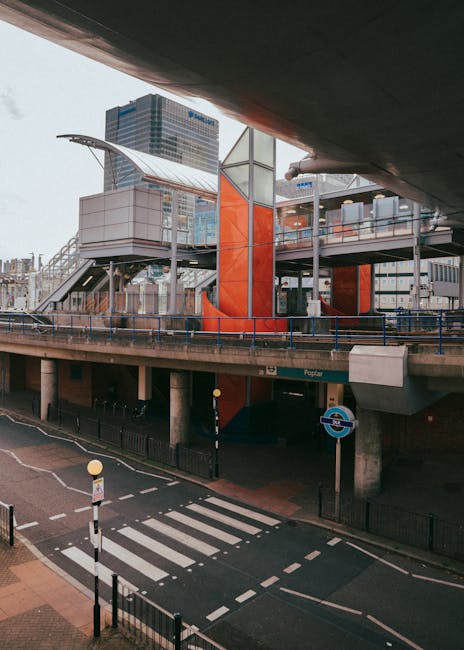
Why King George V DLR moving access guide for locals Matters
Moving near King George V DLR is rarely just about boxes and a van. The station sits in a working part of the Docklands, with a mix of residential buildings, older access routes, busier roads, and occasional pinch points that can catch people out. A move can go smoothly one day and become awkward the next simply because the loading point was blocked, the lift was too small, or the parking plan was a guess rather than a plan.
For locals, access matters because it shapes everything else: how long loading takes, whether fragile items need extra handling, whether the team can use a trolley safely, and how likely it is that your move will stay on schedule. That is especially true for flats, student lets, and smaller homes where stairs, shared corridors, or narrow turns can make a simple sofa feel suddenly enormous.
You may already know the area well enough to walk it with your eyes shut. But moving day is different. You are juggling keys, neighbours, timing, traffic, and the weather. A wet pavement near the station or a rushed handover can change the tone of the day in a heartbeat. A proper access guide helps you think ahead instead of reacting on the fly.
For a broader planning picture, it can help to read related guides such as a moving-house decluttering strategy and smart packing strategies for home moves. Access is only one part of the job, but it is the part that often decides whether the rest feels easy or chaotic.
How King George V DLR moving access guide for locals Works
The simplest way to think about a moving access plan is this: you match the property, the route, the vehicle, and the timing. If those four things fit together, the move usually feels far more manageable. If they do not, you end up with extra carrying distance, more lifting, and more chance of delay.
Start by looking at the property itself. Is it a house, a flat, a maisonette, or a top-floor apartment? Is there a lift? Are the stairs tight or awkward? Can a van stop close enough to the entrance, or will you need to carry items further than expected? These questions sound basic, but they are the difference between a tidy two-hour move and a sweaty, slightly cursed afternoon. We have all seen that one chair refuse to fit through a doorway, and suddenly nobody is laughing.
Then think about the access route. Around King George V DLR, local roads and estate layouts can vary a lot from one building to the next. Some places have straightforward kerbside loading; others need more careful timing or a smaller vehicle. If you are moving a larger load, a man with a van in North Woolwich or a removal van service may be the right fit because it gives you flexibility without overcommitting to a huge lorry.
Finally, match the timing to the real world. Try to avoid build-up periods where roads are busier than usual, and keep a little buffer for lift delays, key collection, or building checks. A move near a transport hub can be efficient, but only if you respect the rhythm of the area.
Key Benefits and Practical Advantages
A clear access plan does more than reduce stress. It changes the quality of the whole move. Here are the main benefits locals usually notice first.
- Less carrying distance: the closer the vehicle gets to the entrance, the less lifting and walking your crew has to do.
- Lower risk of damage: fewer awkward turns and fewer long carries usually mean fewer knocks to walls, doors, and furniture.
- Better time control: when the loading point is sorted in advance, the schedule is easier to hold.
- Safer lifting: access planning supports better body mechanics, especially for awkward items.
- Less disruption to neighbours: a tidy, well-timed move is simply kinder to everyone else in the building.
One practical advantage people often overlook is mental load. When access is sorted, your brain stops spinning on the same few questions. Where will the van park? Will the sofa make the turn? Can the bed frame go down the stairs in one piece? Suddenly the move feels like a sequence of tasks rather than one giant mess.
That is why local movers often pair access planning with preparation work like kinetic lifting techniques and handling heavy objects safely. Good access cuts the strain before the lifting even starts.
Who This Is For and When It Makes Sense
This guide is useful for anyone moving in or around King George V DLR, but a few groups will benefit especially.
Flat movers are often the first. If you live in a block with shared stairs, a lift booking, or limited parking, access can be the whole story. A flat move near the station often needs tighter coordination than a standard house move. For that reason, many residents look at flat removals in North Woolwich when they need a service shaped around stairs, lifts, and communal entrances.
Students and short-term renters also need this. Student moves tend to be quick, but quick does not mean simple. A few bags, a desk, a mattress, and a monitor can still become awkward when the lift is small or the hallway is cramped. If that sounds familiar, student removals in North Woolwich can be a sensible starting point.
Families and long-term homeowners need access planning when they are moving bigger furniture, beds, white goods, or fragile items. A house move is rarely light work, and the route from front door to van matters just as much as what is in the boxes. For larger jobs, house removals in North Woolwich may suit you better than a one-off carry-only arrangement.
Small businesses and office users should pay close attention too. Desks, chairs, filing, IT equipment, and meeting-room furniture all demand sensible access and timing, especially if the building has shared entry points. In those cases, office removals in North Woolwich are often the cleaner option.
If your move feels bigger than you can comfortably handle alone, that is usually the clue. Not a failure. Just a clue.
Step-by-Step Guidance
Here is a practical way to approach moving access around King George V DLR without overcomplicating it.
- Walk the route in person. Look at the entrance, the kerb, the footpath, the stairwell, and any turning points. Do not rely only on memory.
- Measure the awkward items. Sofa length, bed frame width, mattress depth, fridge height. Jot them down. It saves guesswork later.
- Check vehicle access. Can a van stop close enough? Is there a safe place to load without blocking the road?
- Ask about building rules. Some blocks require lift bookings, move-in time windows, or advance notice. Better to ask early than apologise later.
- Separate fragile and heavy items. This keeps the loading order sensible and reduces handling errors.
- Prepare the property. Clear hallways, protect floors if needed, and make sure keys are where they should be.
- Plan the load sequence. Heavy and awkward items first, smaller boxes after. That usually makes the day smoother.
- Build in a buffer. Give yourself a little breathing space for traffic, building access, or that one item that turns out to be annoying in a very specific way.
A good local move is rarely about speed alone. It is about rhythm. Box by box, item by item, with enough planning to prevent the familiar moving-day scramble.
When transporting bulky pieces, it helps to think in practical categories. For example, beds and mattresses need different handling from a wardrobe or a freezer. If you are moving those items, see safe mattress and bed transport tips and how to store a dormant freezer properly.
Expert Tips for Better Results
Small decisions make a big difference on moves around busy local access points. These are the ones that usually pay off.
- Use the nearest legal loading point, not the nearest convenient-looking one. A quick stop in the wrong place can create far more trouble than walking an extra few metres.
- Keep one person focused on access. That person watches doors, lifts, and vehicle positioning while everyone else handles the carry.
- Protect the edges of awkward furniture. A sofa corner or table leg can catch on a wall fast. Very fast, actually.
- Pack an access kit. Tape, gloves, a torch, basic tools, and a phone charger can save the day more often than you'd think.
- Use a smaller vehicle if the street layout is tight. Sometimes a flexible service beats a larger truck, especially where stopping space is limited.
- Ask about storage if your timing is messy. If there is a gap between leaving one place and entering the next, a storage option can reduce pressure.
If your move includes furniture that needs disassembly, or pieces that simply won't glide around corners politely, a specialist approach matters. The guide on manoeuvring narrow stairs in Royal Docks studio moves is especially useful for understanding the sort of access problems that crop up in compact homes.
One more thing: do not underestimate cleaning and final checks. A tidy handover matters, and the difference between a rushed flat and a well-finished one is often just an hour of planning. Cleaning techniques before moving out can help you finish properly rather than frantically.

Common Mistakes to Avoid
Most moving problems near King George V DLR are not dramatic. They are ordinary little misses that add up.
- Assuming the van can park right outside. Nice if it happens. Dangerous to assume.
- Forgetting lift dimensions. A mattress may fit the hallway and still fail at the lift doors.
- Ignoring peak travel patterns. Even a short local route can slow down at the wrong time.
- Leaving packing too late. Half-packed boxes and loose parts create chaos on the day.
- Underestimating heavy items. A single sofa, piano, or wardrobe can change the entire handling plan.
- Not telling neighbours or building management. A heads-up can avoid complaints and delays.
One very common mistake is trying to "just see how it goes" with a large item. That approach sounds flexible, but in practice it usually means extra lifting, a few tense pauses, and somebody saying, "It should be fine," right before it clearly is not. Better to plan the awkward pieces first.
If you have heavy or specialist furniture, review piano removals in North Woolwich or broader furniture removals services before the move day gets too close. The right service is often the safer one.
Tools, Resources and Recommendations
You do not need a van full of specialist kit to move well, but a few practical tools make access easier.
- Measuring tape: for doorways, furniture, lifts, and stair gaps.
- Furniture blankets or wraps: useful for protecting corners and painted surfaces.
- Straps and ties: keep items stable in the vehicle.
- Boxes in a few standard sizes: easier to carry, easier to stack, less wobble in transit.
- Floor protection: helpful in shared entrances or rental properties where care matters.
- Phone notes and photos: snap access points, parking signs, and route bottlenecks.
For planning a full move, it also helps to browse the wider support pages on removal services, packing and boxes, and local storage options. Those pages are useful if you want to decide whether you need help with one part of the move or the whole thing.
For trust and reassurance, you may also want to review the company's health and safety policy, insurance and safety information, and accessibility statement. They are not thrilling reading, sure, but they do tell you a lot about how a move is handled behind the scenes.
Law, Compliance, Standards, or Best Practice
For local moves, the most relevant point is usually not a single law but a bundle of everyday responsibilities: safe lifting, sensible vehicle use, respectful neighbour relations, and careful handling of property. In the UK, movers and customers alike should take safety seriously, especially where heavy lifting, shared access spaces, or public roads are involved.
Best practice usually means:
- checking that loading does not create a hazard for pedestrians or drivers;
- using appropriate lifting techniques and team coordination;
- protecting communal areas where possible;
- respecting building rules and agreed time windows;
- making sure insurance and service terms are understood before the move.
If you are hiring help, it is sensible to read the terms and conditions, payment and security details, and pricing and quotes information. That way you know what is included, what is not, and what to expect if access turns out to be trickier than planned.
For businesses and ethically minded customers, there is also value in reviewing public-facing commitments such as the recycling and sustainability page and modern slavery statement. These pages help signal how a company thinks about responsibility, not just logistics.
Options, Methods, or Comparison Table
Different moves near King George V DLR call for different approaches. The best method depends on access, load size, and how much help you want.
| Approach | Best for | Strengths | Things to watch |
|---|---|---|---|
| DIY with a hired vehicle | Small loads, low budgets, flexible timing | Lower upfront cost, full control | More lifting, more responsibility, more chance of delay |
| Man and van | Flats, smaller homes, quick local moves | Flexible, efficient, good for awkward access | May still need help for very heavy or specialist items |
| Full removal service | Larger household moves, multiple bulky items | More support, better for complex access | Usually needs more planning and a fuller briefing |
| Storage-first move | Staggered dates, renovations, uncertain handover | Reduces pressure, gives flexibility | Costs and extra handling need to be considered |
In real life, many locals end up combining methods. For example, a resident might use a man-and-van setup for boxes and smaller furniture, then book specialist help for a piano or bed frame. That is often the most practical route, not the fanciest one.
Case Study or Real-World Example
Here is a realistic example. A couple moving from a flat near King George V DLR had a modest amount of furniture, but their building had a narrow entrance, a shared stairwell, and no obvious loading bay. At first glance it looked simple. In practice, not quite.
They measured the sofa, checked the lift, and realised the lift was fine for boxes but not ideal for the longest items. They also noticed that the street space closest to the building could be awkward during the morning rush. Instead of gambling on the day, they planned a slightly later loading window and arranged for the largest items to go first. They also pre-packed the smaller boxes so the team would not waste time hunting for tape and labels at the front door.
The result was a move that felt slower at the planning stage but faster on the day. No frantic "where does this go?" moments. No awkward blockages in the corridor. And, importantly, no one trying to drag a bed base through a turn that was clearly too tight.
That sort of outcome is common. Not glamorous, just sensible. And sensible tends to age well.
If your move looks like this kind of mix - some boxes, some bulky furniture, and a tricky access point - it is worth checking the right combination of local removals support, man and van help, and same-day removals if your timeline is tight.
Practical Checklist
Use this checklist a day or two before moving, then again on the morning itself.
- Confirm the moving address and access point.
- Measure doors, stairs, and the largest furniture items.
- Check whether the lift needs booking or permission.
- Identify the best legal loading spot for the van.
- Pack boxes clearly and label fragile items.
- Protect floors, corners, and door frames where needed.
- Set aside tools, chargers, documents, and keys.
- Keep a contact number ready for the mover, landlord, or building manager.
- Make sure beds, mattresses, and sofas are wrapped or prepared properly.
- Leave enough time for one small thing to go wrong. Because usually, one small thing does.
If you want a more complete moving process, pair this checklist with worry-free house relocation tips and sofa storage guidance. They are both useful when space, timing, or access is not ideal.
Get a free quote today and see how much you can save.
Conclusion
A good King George V DLR moving access guide for locals is really about reducing friction. The less guessing you do about parking, lift access, narrow corridors, and loading distance, the calmer the move becomes. That is true whether you are shifting a few boxes, a full family home, or a single awkward sofa that somehow seems heavier on moving day than it ever did before.
Plan access early, match the vehicle to the property, and use the right level of help for the load in front of you. That combination does not just save time. It protects your belongings, your back, and your patience. And on moving day, patience is worth its weight in tea.
However you are moving around the King George V DLR area, take it one sensible step at a time. The move does not have to be perfect. It just has to be well thought through.