Block management rules for flat moves in North Woolwich
Posted on 30/07/2026
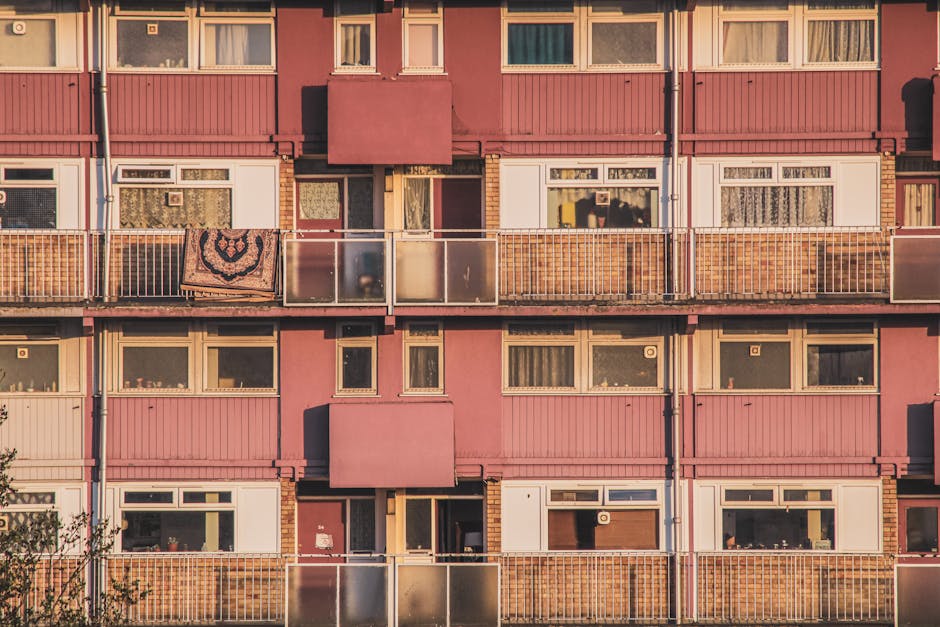
Flat moves in North Woolwich can feel straightforward on paper, then suddenly the building rules, access notes, lift bookings, parking, and neighbour considerations all land at once. That is usually where the real work begins. If you are dealing with Block management rules for flat moves in North Woolwich, the goal is simple: keep the move moving, protect the building, and avoid unnecessary delays or awkward conversations on the day.
In practice, a successful flat move is rarely about one big task. It is about a dozen small ones done in the right order. Who needs to be informed? Can the lift be reserved? Are there restrictions on van access, loading bays, or moving hours? What happens if your sofa is too big for the stairwell? Those are the questions that save people from stress later. This guide walks through the rules, the expectations, and the sensible planning that makes a flat move smoother in a place like North Woolwich, where access can be tight and timing matters.
Along the way, you will find practical examples, a checklist, a comparison table, and a few local-minded tips that help when the move day gets a bit chaotic. Let's face it, move day has a way of revealing every hidden snag at once.
Why Block management rules for flat moves in North Woolwich Matters
Block management rules are not there just to be awkward. They exist because flats are shared environments. One moving day can affect lifts, corridors, parking, fire routes, quiet enjoyment, cleaning schedules, and even security. In a dense residential block, one poorly planned move can knock on to everyone else in the building.
North Woolwich has a mix of apartment living, converted buildings, and estates where access is not always generous. That makes planning even more important. If you arrive with a van too large for the space, or try to move furniture without booking the lift, you may end up waiting outside while the building manager sorts out a problem that could have been avoided in ten minutes. Not ideal.
There is also the simple reality that block managers usually care about three things: protecting the building, keeping residents safe, and maintaining order. If your move respects those priorities, the process tends to be much easier. If it does not, delays and friction are almost guaranteed.
For anyone planning a flat relocation, it helps to think of block management as part of the move plan, not an afterthought. That mindset alone tends to reduce the little disasters that turn a simple move into a long afternoon.
How Block management rules for flat moves in North Woolwich Works
Every building is different, but most block management arrangements follow a similar pattern. The block manager, building agent, freeholder representative, or on-site concierge will set conditions for moving in or out. Those conditions may cover the day, time, vehicle position, lift use, floor protection, and whether you need advance notice.
Usually the process begins with notification. You tell the managing agent your moving date, the likely time window, and the company or van you are using. From there, you may be asked to complete a booking form, confirm insurance, or agree to specific moving rules. Some blocks also require proof that the removal team has public liability cover. That is fairly common and, to be fair, sensible.
For flat moves, the main rules often revolve around these practical points:
- booking the lift in advance if one exists
- protecting communal floors, walls, and doors
- using designated loading or parking areas only
- keeping fire exits, entrances, and stairwells clear
- sticking to permitted moving hours
- providing notice if large items, bulky items, or specialist handling are involved
If the move is more complicated, for example a high-floor flat with narrow stairs or a studio with limited turning space, the block manager may ask for a more detailed plan. That is where a measured approach helps. A well-organised move is much easier to approve than a vague one.
For readers who are still at the early planning stage, it can be useful to look at broader moving advice too, such as this guide to a worry-free house relocation and smart packing strategies for a home move. They help build the bigger picture, not just the building rules.
Key Benefits and Practical Advantages
Getting block management rules right is not only about compliance. It also makes the move cheaper in practical terms, less stressful, and less likely to go wrong. A little preparation tends to save a lot of time later.
Here are the main advantages:
- Fewer delays: if the lift is booked and access is confirmed, the removal team can get on with the job.
- Less risk of damage: floor runners, corner protection, and clear routes reduce scuffs and knocks.
- Better neighbour relations: nothing tests goodwill like a sofa wedged in a stairwell at 8:15 in the morning.
- More efficient loading: a proper parking plan means the van is where it needs to be.
- Lower chance of rule breaches: which matters if the block manager is strict about permissions or timings.
There is also a less obvious benefit: peace of mind. When you know the building has been notified, the moving slots are set, and the route is clear, your mind stops looping through "what if" scenarios. That matters more than people admit.
If your move involves heavy or awkward items, reading about kinetic lifting and safe solo handling of heavy objects can also help you understand why some items need specialist care.
Who This Is For and When It Makes Sense
This topic is relevant to more people than you might expect. It is not just for full-scale removals with a big team and a large van. It applies to anyone moving furniture, boxes, white goods, or personal belongings in or out of a managed block.
You should pay close attention if you are:
- a tenant moving between flats in North Woolwich
- a leaseholder arranging a private move
- a landlord coordinating an incoming resident
- a student moving into a compact flat with shared access
- someone handling a same-day move with limited time on site
- a resident with bulky furniture, a mattress, or fragile specialist items
It also makes sense if your block has a reputation for tight rules, limited parking, or busy communal areas. In those buildings, a move plan is not optional. It is part of being considerate and realistic.
A common North Woolwich scenario is this: the tenant has packed everything, but the van arrives and there is nowhere safe to stop. Then the lift booking was never confirmed. Then the neighbour downstairs is upset because the hallway is blocked. None of that is rare. It is just the kind of thing that happens when block rules are left until the last minute.
Students and short-term renters may benefit from reviewing student removals in North Woolwich for a more lightweight approach, while bigger household moves may point more naturally toward flat removals in North Woolwich or house removals in North Woolwich depending on the scale.
Step-by-Step Guidance
Below is a practical way to handle the process without overcomplicating it. You do not need a 40-page plan. You need a few accurate details, a sensible timeline, and clear communication.
- Check the block's move policy early. Ask for any written rules on move-in or move-out bookings, lift use, parking, and time restrictions.
- Confirm the moving date and time window. Choose a slot that fits the building rules and gives the removals team room to work.
- Arrange access details. This may include entry codes, concierge instructions, lift protection requirements, or a key handover point.
- Confirm parking or van stopping arrangements. If your block has no private loading area, sort the local access plan in advance. North Woolwich streets can be unforgiving if you assume you will "just find somewhere".
- Measure bulky furniture. Check sofas, beds, wardrobes, appliances, and mirrors against doorways, stairwells, and lift dimensions.
- Protect common areas. Use floor coverings, corner guards, and wrapping where required. Many buildings insist on this, and quite rightly.
- Label boxes by room and priority. This speeds up unloading and helps keep hallways clear.
- Notify neighbours if needed. A polite note or a quick conversation can reduce complaints later.
- Keep key documents handy. Proof of booking, insurance details, and contact numbers should be easy to reach.
- Do a final walk-through. Before leaving, check for damage, items left behind, and any rubbish or packaging that needs removing.
If your move includes awkward pieces such as a bed, mattress, or a freezing unit, it is worth planning those separately. Guides like safely transporting a bed and mattress and storage tips for a dormant freezer can be surprisingly helpful at the planning stage.
And one tiny but important point: do not assume the block manager knows you are coming just because the date is in your head. They are good, not psychic.
Expert Tips for Better Results
After enough moves, a pattern emerges. The smoothest ones are usually not the cheapest, not the fanciest, and not the fastest. They are the ones where the basics are quietly handled well.
Here are the tips that genuinely make a difference:
- Book earlier than you think you need to. Lift slots, concierge windows, and parking arrangements can disappear faster than expected.
- Send one clear point of contact. Too many callers create confusion. One person should coordinate the move.
- Keep the route simple. Straight paths, fewer turns, fewer stops. That is especially useful in blocks with narrow corridors or tight stairwells.
- Avoid overloading lifts. Even if the lift seems sturdy, most building rules limit what can be carried in one go.
- Separate "must-go-first" items. Kettle, medication, chargers, cleaning kit, and important documents should not be buried under the sofa cushions.
- Take photos before and after. This is not about being dramatic. It is simply smart if there is any dispute about damage or condition.
One small but useful observation: the first 30 minutes of a flat move often decide the mood for the rest of the day. If access is clear and everyone knows the plan, the whole thing feels calmer. If the first item gets stuck, the tone changes quickly. Funny how that works.
For harder cases, such as narrow stairwells or awkward studio layouts, this article on manoeuvring narrow stairs in studio moves is a useful related read. It lines up closely with the practical access issues you will meet in managed blocks.
Common Mistakes to Avoid
Most move-day problems are not dramatic. They are small avoidable mistakes that stack up. The good news is that once you know them, they are easy enough to dodge.
- Leaving permission until move day. This is the big one. Some blocks will not let movers in without notice.
- Ignoring lift dimensions. A lift that seems spacious for people may still be useless for furniture.
- Assuming parking will work itself out. It rarely does.
- Not checking insurance requirements. Some building managers ask for evidence before allowing works or access.
- Moving during restricted hours. Noise and corridor traffic can create conflict, even if nobody says it out loud at first.
- Failing to protect walls and floors. One scrape can be enough to trigger a complaint.
- Bringing too many people through the same route. Congestion in communal areas causes frustration and slows everything down.
There is also the temptation to improvise on the day. "We will just carry it round the back." "The lift should be fine." "I'm sure the van can stop here for ten minutes." Those lines have caused more trouble than they should, honestly.
If you need a broader moving framework, the article on decluttering before a move can help reduce the volume of items you need to coordinate in the first place.
Tools, Resources and Recommendations
You do not need a lot of kit, but the right bits of preparation help more than people expect. A good flat move in a managed block is partly logistical and partly physical.
Useful tools and materials include:
- floor protection sheets or runners
- corner protectors and door guards
- labels and marker pens
- sturdy tape and stretch wrap
- a dolly trolley or sack truck where appropriate
- basic cleaning supplies for the final handover
- measuring tape for lifts, doorways, and furniture
On the planning side, it helps to keep a short written move sheet with the building contact, van details, moving time, and key notes about access. It sounds plain, but in the middle of a busy morning, plain is exactly what you want.
For service planning, many readers also look at the services overview, removal services in North Woolwich, or man and van support in North Woolwich depending on the size of the job. If you are comparing options, removal companies in North Woolwich can help frame the differences between small and full-service moves.
For packing materials, a dedicated page such as packing and boxes in North Woolwich may also be useful. And if you are moving unexpectedly, same-day removals in North Woolwich can be relevant, though those moves tend to need even tighter coordination with block management.
Law, Compliance, Standards, or Best Practice
There is no one universal rulebook for every residential block, because building management arrangements vary. That said, a few UK best-practice principles apply almost everywhere.
First, block managers are generally entitled to set reasonable rules for use of communal areas, access, noise, and protection of the building. Second, residents and movers should follow any agreed procedures rather than treating shared spaces like private driveways. Third, if a building asks for advance notice, insurance evidence, or specific moving hours, it is usually best to comply rather than argue the point on the doorstep.
In practical terms, that means checking lease terms or block handbooks where available, and being careful about shared fire routes, lift capacity, and corridor obstruction. Fire exits should never be blocked, even temporarily. That is one area where "just for a minute" is not good enough.
Health and safety expectations also matter. Lifting heavy items, using trolleys, and moving through communal spaces should be planned so that the risk of injury or damage is reduced. If your move involves awkward items or a lot of stair work, professional handling is often the safest route. For background, you can also read the site's health and safety policy and insurance and safety guidance to understand how seriously those issues should be treated.
Best practice is simple enough: keep records, get approvals in writing where possible, protect shared areas, and avoid assumptions. That is the boring version, yes, but boring is often what keeps a move calm.
Options, Methods, or Comparison Table
Different flat moves need different levels of planning. The method you choose depends on the building rules, the size of the move, and how much access control the block manager expects.
| Approach | Best for | Advantages | Possible downside |
|---|---|---|---|
| Self-managed move | Small loads, short distance, simple access | Lower upfront cost, flexible timing | More admin for parking, lifting, and building rules |
| Man and van | Medium moves, studio flats, limited furniture | Practical, efficient, usually quicker to organise | May still need careful access planning and lift bookings |
| Full removals service | Larger flat moves, heavy furniture, tight stairwells | More support, better handling of bulky items, less strain | Can require more lead time and coordination |
| Storage-first move | Staggered moves, uncertain completion dates, temporary access issues | Reduces pressure on the day, useful when timing is messy | Extra handling and additional planning required |
If your building is strict, a full removals service often works best because it can handle the admin and the physical side together. If the move is light, a man and van arrangement may be enough. The key is matching the method to the building conditions, not just the number of boxes.
When storage is part of the picture, storage in North Woolwich can be a useful temporary option. That becomes especially handy if your block move is split across different dates, which happens more often than people expect.
Case Study or Real-World Example
A common North Woolwich flat move might look like this. A resident in a managed block is moving from a third-floor apartment to another flat nearby. The building has one lift, a shared entrance, and limited stopping space outside. The resident has a bed frame, a mattress, a sofa, several boxes, and a freezer that needs careful handling.
Instead of waiting until the morning of the move, the resident contacts the block manager a week ahead, books the lift, and asks what needs protecting. The manager confirms the allowed moving window and asks for the van registration. The resident also checks the route for the sofa and realises it will be awkward through the stairwell, so that item is prepped separately.
On move day, floor protection is already in place, the van arrives within the approved window, and the team knows exactly which items need special care. There is still a moment of hesitation at the lift doors, because there always is, but the move goes through without complaints or damage.
The difference was not luck. It was coordination.
That is the underlying lesson with block management. Most "smooth" moves are actually just well-prepared ones. Nothing glamorous. Just good timing, clear communication, and a bit of common sense. Which, to be honest, is underrated.
Practical Checklist
Use this as a quick pre-move check for any flat move in a managed block:
- Have I read the block's moving rules or building handbook?
- Have I confirmed the moving date and time window in writing?
- Is the lift booked, if the building has one?
- Have I checked parking, loading, or stopping arrangements?
- Do I know the exact access route from flat to van?
- Have I measured any bulky furniture or appliances?
- Do I need floor coverings, door protection, or wall protection?
- Have I told neighbours or the concierge where necessary?
- Are insurance details and contact numbers ready?
- Have I arranged help for heavy or awkward items?
- Are boxes labelled clearly by room?
- Have I planned the final clean and waste removal?
If you can tick most of those off before the moving team arrives, you are in good shape. Not perfect. Just ready, which is what matters.
Get a free quote today and see how much you can save.
Conclusion
Block management rules for flat moves in North Woolwich can feel a bit bureaucratic at first, but they are really there to keep everyone safe and keep the building running properly. Once you treat them as part of the move plan, they stop being a nuisance and start becoming a useful framework.
The best flat moves are the ones where access is clear, timings are agreed, shared spaces are protected, and the moving team knows what to expect before the first box is lifted. That is especially true in North Woolwich, where flats can be compact, parking can be tight, and stairwells do not always welcome large furniture with open arms.
Keep it simple. Confirm early. Measure twice. And do not leave the important bits to chance.
That way, moving day becomes a task to complete, not a drama to survive.